Reportage
|
Get in Tough
Ridvan Yumlu Creative Studio Berlin Finowstrasse 5 10247 Berlin +49 (0) 176 213 64 184 +49 (0) 30 51302825 Pick my brains send me an email |
|
Get in Tough
Ridvan Yumlu Creative Studio Berlin Finowstrasse 5 10247 Berlin +49 (0) 176 213 64 184 +49 (0) 30 51302825 Pick my brains send me an email |
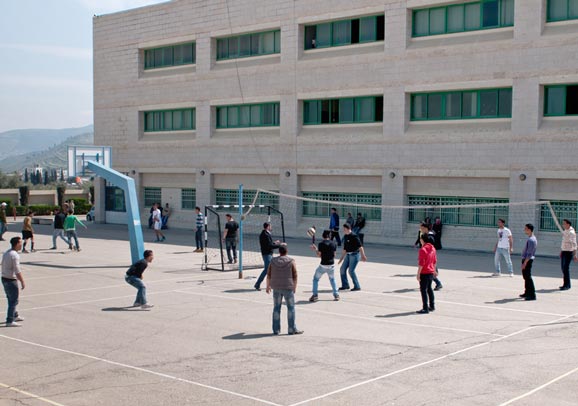
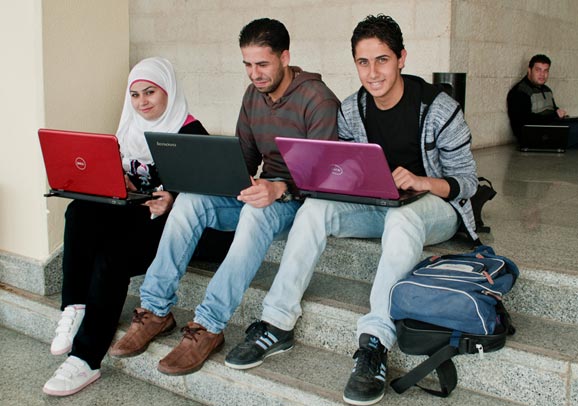
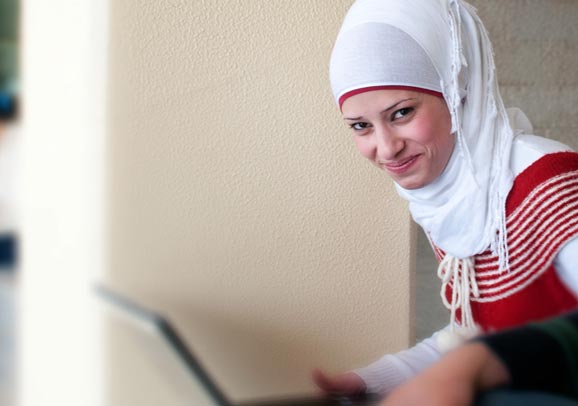
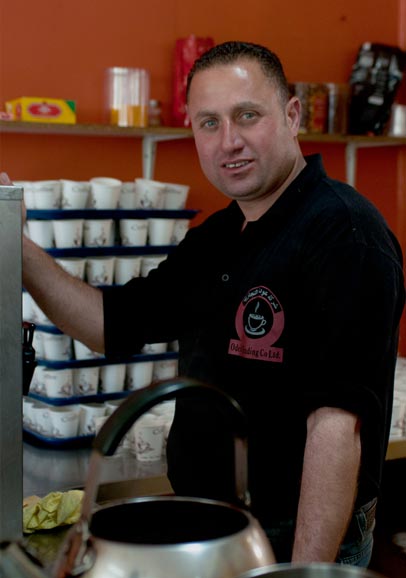
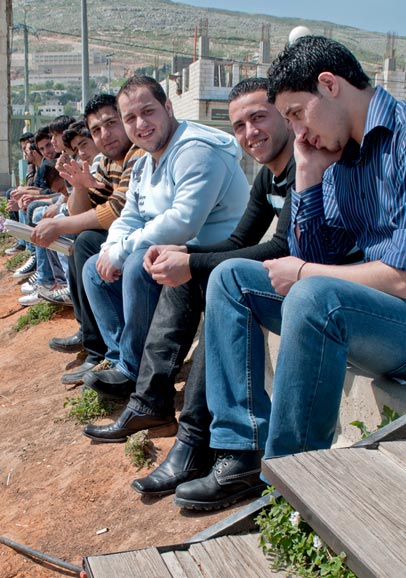
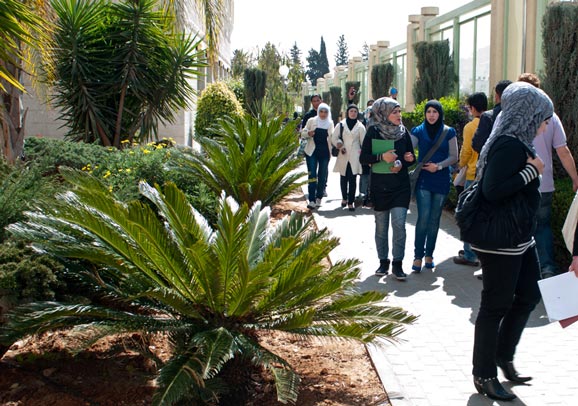
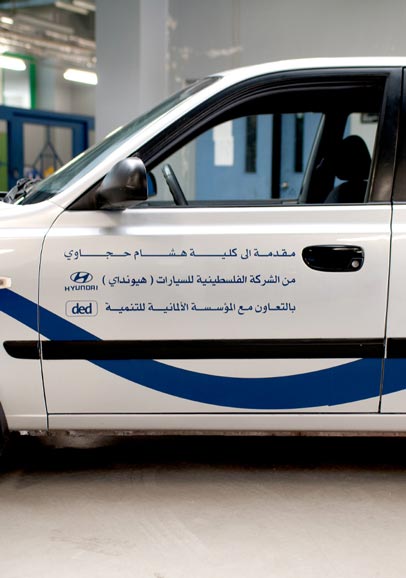
The Hisham Hijjawi College of Technology in Nablus started operation in October 2001 as one of An-Najah National University Faculties, established by the Scientific Foundation of Hisham Hijjawi in cooperation with and support from Arab and International Institutions as well as support from the Federal Government of Germany.
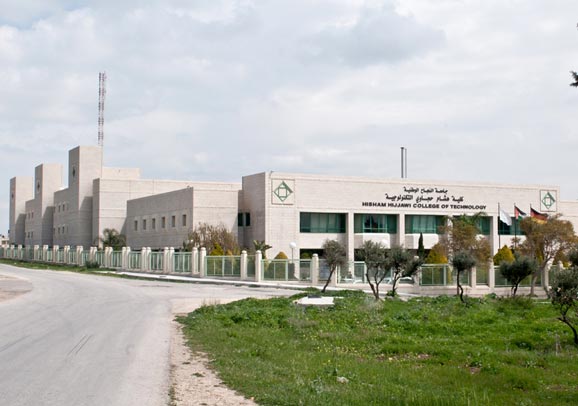 (Image ID Hijjawi_01)
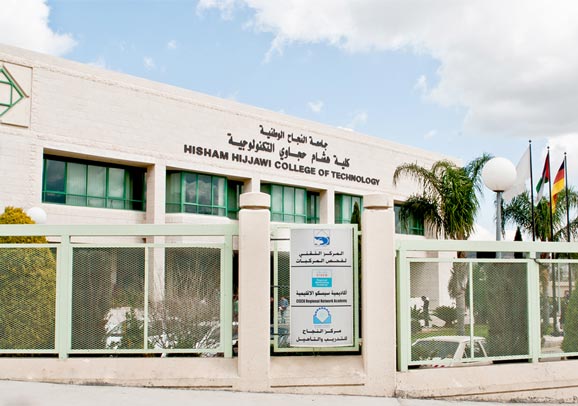 (Image ID Hijjawi_02)
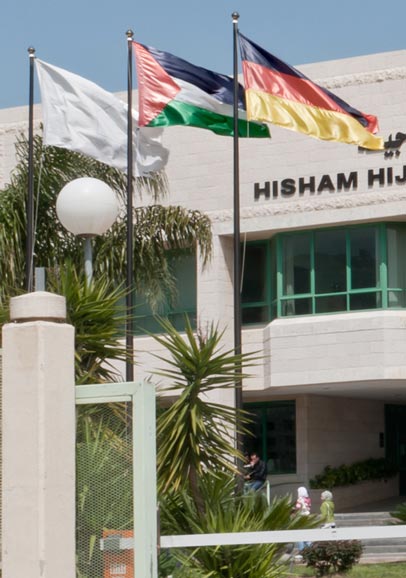 (Image ID Hijjawi_03)
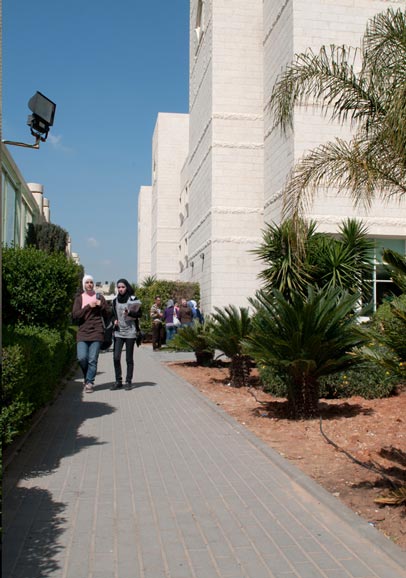 (Image ID Hijjawi_04)
 (Image ID Hijjawi_05)
 (Image ID Hijjawi_06)
 (Image ID Hijjawi_07)
 (Image ID Hijjawi_08)
 (Image ID Hijjawi_09)
 (Image ID Hijjawi_10)
 (Image ID Hijjawi_11)
 (Image ID Hijjawi_12)
The College is a post-secondary vocational technical education & training college (TVET level 2), that produces Technicians through programs covering both theory and practical skills, including supervised field training. Technicians able to operate at the highest degree of competence, with strong skills in their technological specializations, who are able to work effectively.
Graduates of the college have the academic knowledge & technical skills & competences to operate in an increasingly complex technological world and have the intellectual capacity to adapt to constant change.
The college accepts students from the general secondary education (Tawjeehi) and TVET level 1 graduates in its formal system, and trains other students in its non-formal system of short term courses.
The College is capable to accommodate 600 full time students for 2 years (annual enrolment of 300 students), in it’s main Formal system.
In addition, the college offers Non-Formal training and retraining of existing labor force, and other beneficiaries, in short term courses, designed to train and upgrade certain skills. And is able accommodate as many as 400 trainees at a certain one time.
More photos of Hisham Hijjawi College of Technology
Website of
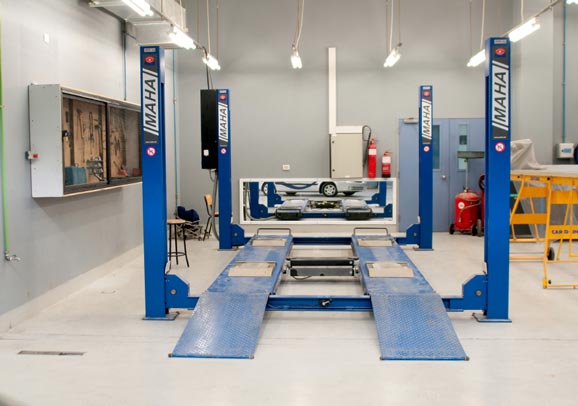
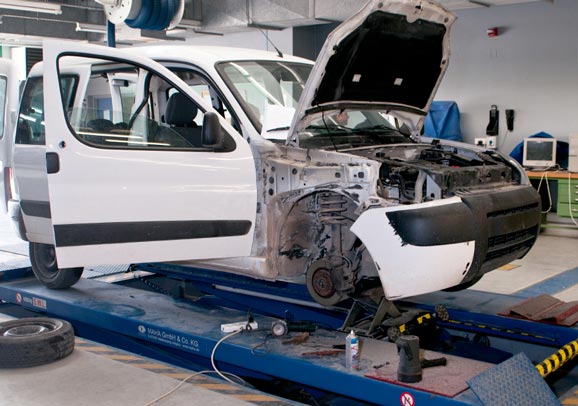
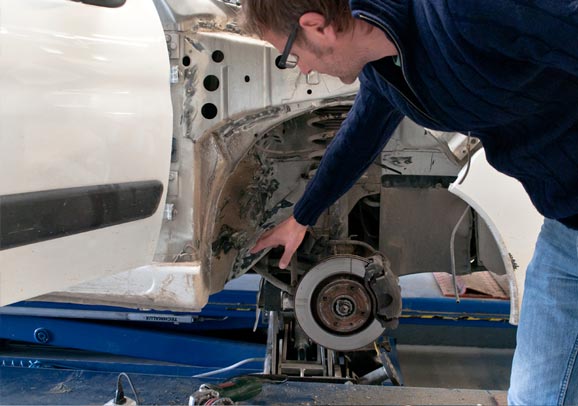
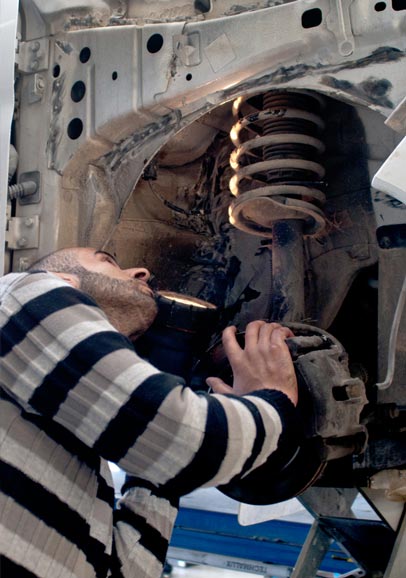
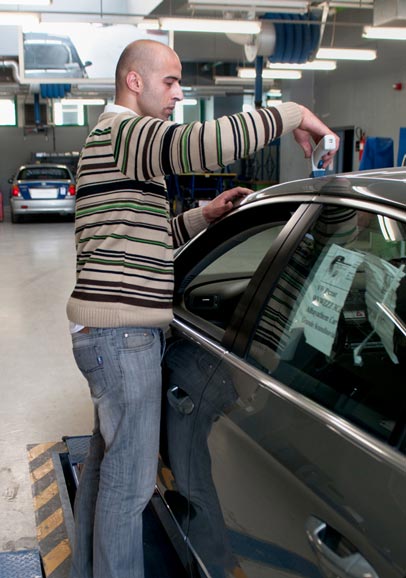
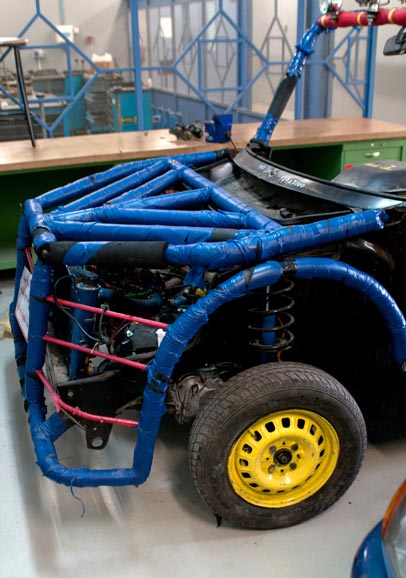
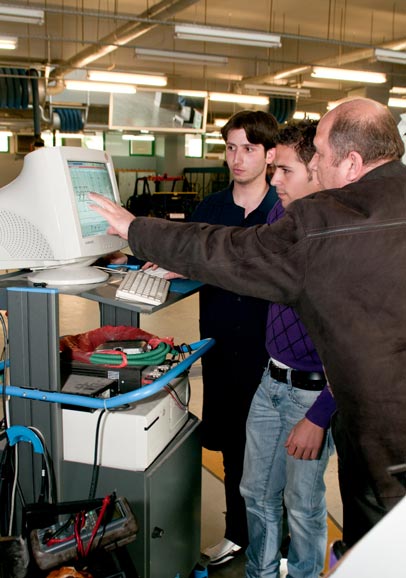
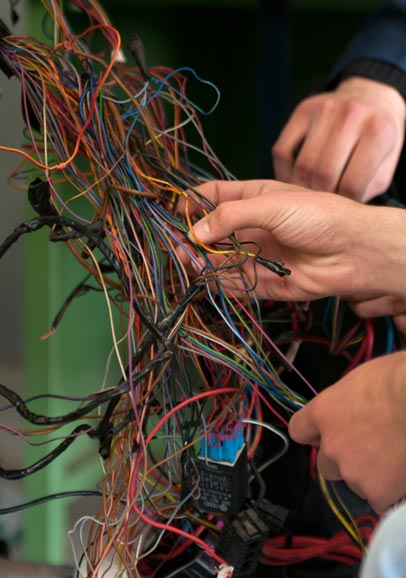
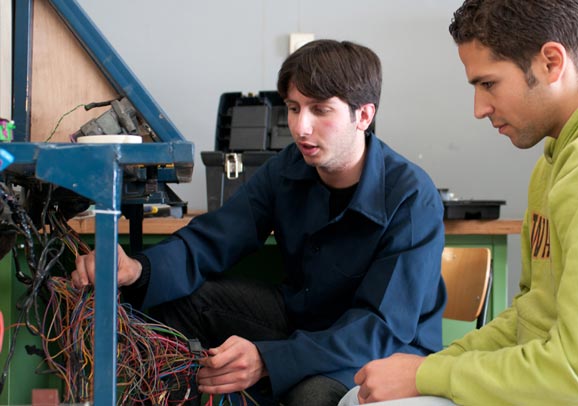
The workshop mission and guiding principle is to achieve sustained development of safety and quality in order to meet the challenges arising from the interaction between man, technology and the environment.
 (Image ID Hijjawi_13)
 (Image ID Hijjawi_14)
 (Image ID Hijjawi_15)
 (Image ID Hijjawi_16)
 (Image ID Hijjawi_17)
 (Image ID Hijjawi_18)
 (Image ID Hijjawi_19)
 (Image ID Hijjawi_20)
 (Image ID Hijjawi_21)
 (Image ID Hijjawi_22)
 (Image ID Hijjawi_23)
 (Image ID Hijjawi_24)
Environmental protection combined with sensible use of energy and natural resources has become one of today's central challenges. These aims define the future and quality of life for the next generations.
More photos of Hisham Hijjawi College of Technology
Website of
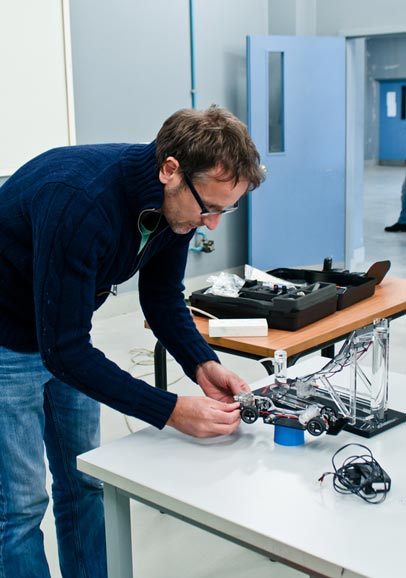
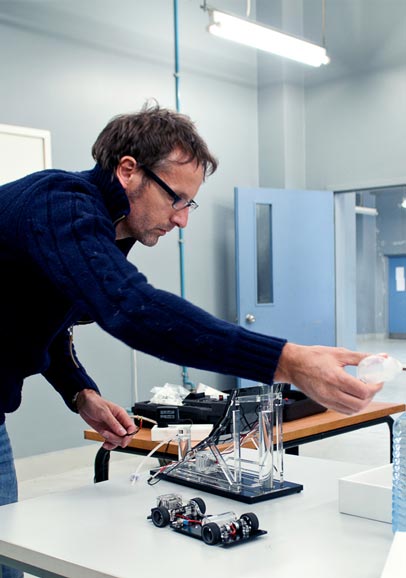
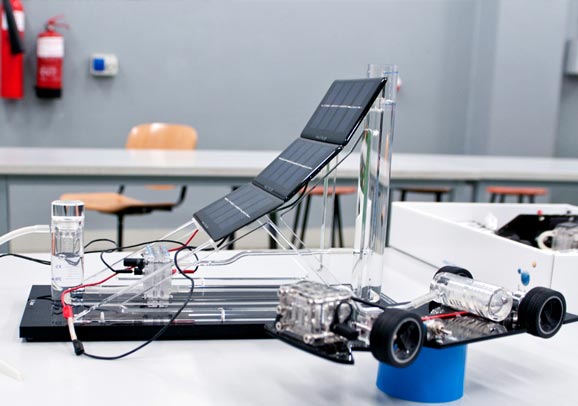
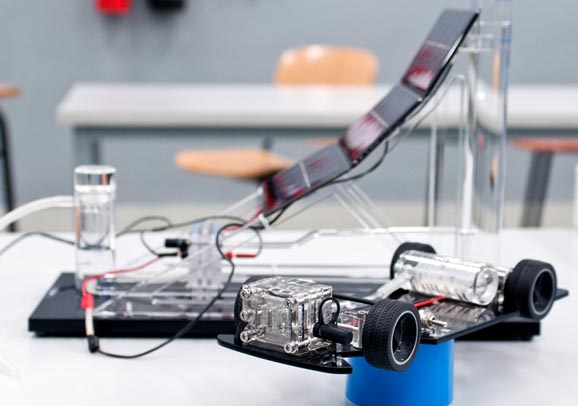
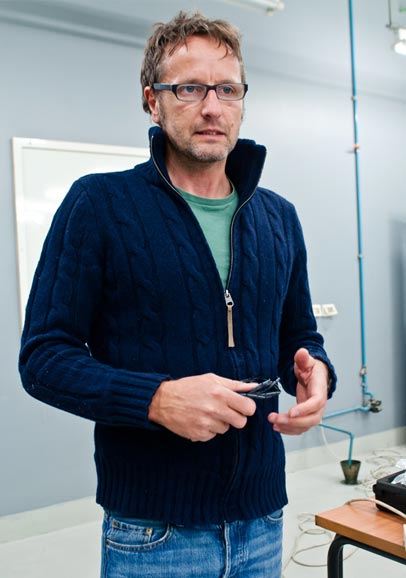
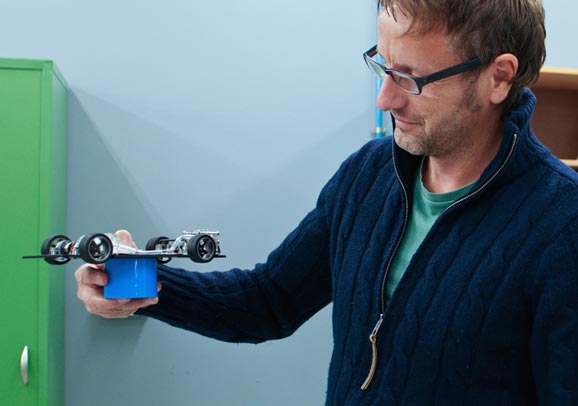
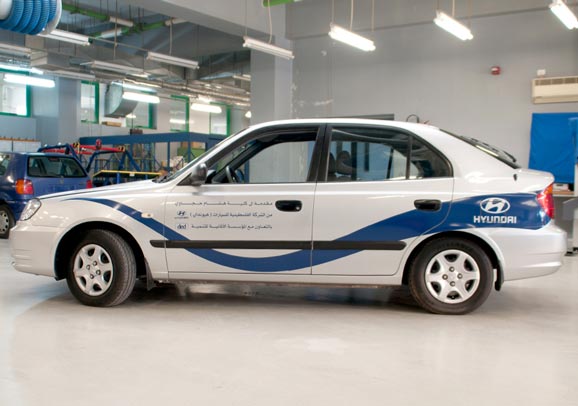
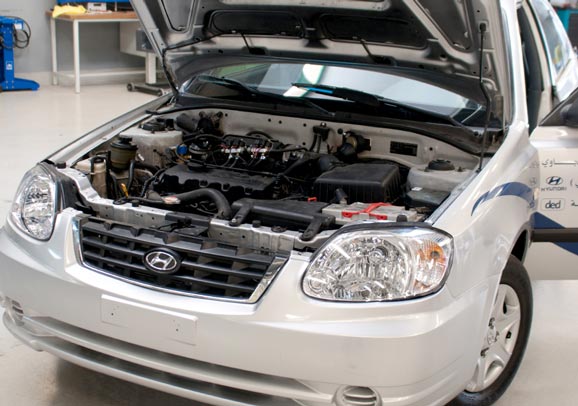
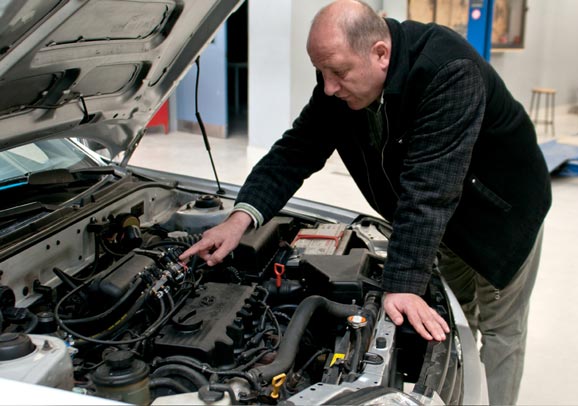
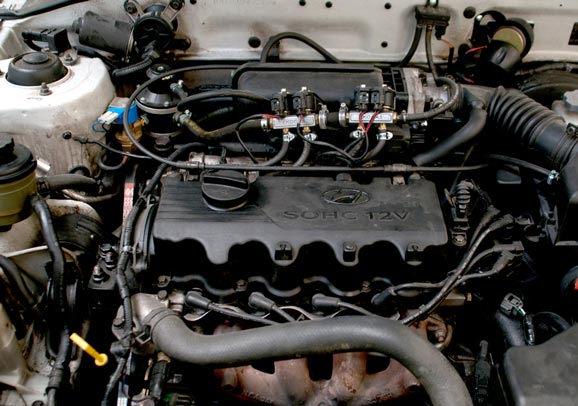
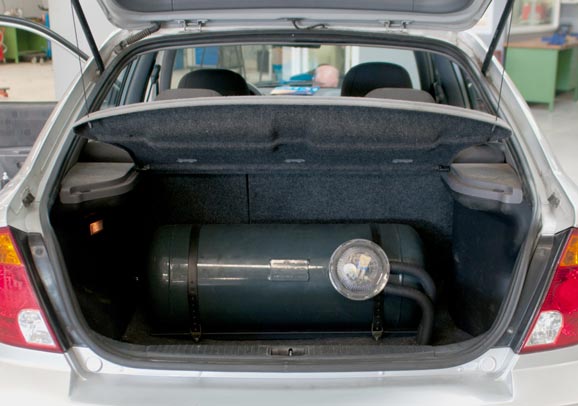
Vehicles with hydrogen propulsion system represent demanding challenges at the Hisham Hijjawi College of Technology in Nablus.
 (Image ID Hijjawi_25)
 (Image ID Hijjawi_26)
 (Image ID Hijjawi_27)
 (Image ID Hijjawi_28)
 (Image ID Hijjawi_29)
 (Image ID Hijjawi_30)
 (Image ID Hijjawi_31)
 (Image ID Hijjawi_32)
 (Image ID Hijjawi_33)
 (Image ID Hijjawi_34)
 (Image ID Hijjawi_35)
 (Image ID Hijjawi_36)
Research will focus on: high efficiency propulsion systems and their components, based on alternative and renewable fuels, taking into account the fuelling infrastructure; development of zero or near zero emission propulsion systems and components, in particular those integrating fuel cells, hydrogen combustion and their fuelling infrastructure into the transport system.
More photos of Hisham Hijjawi College of Technology
Website of
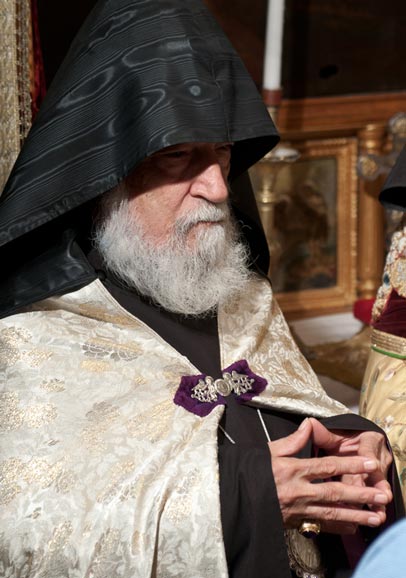
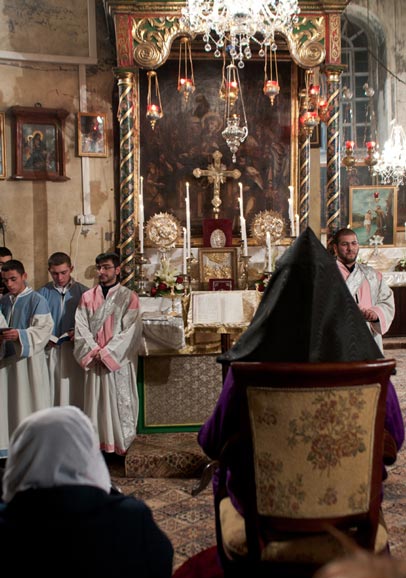
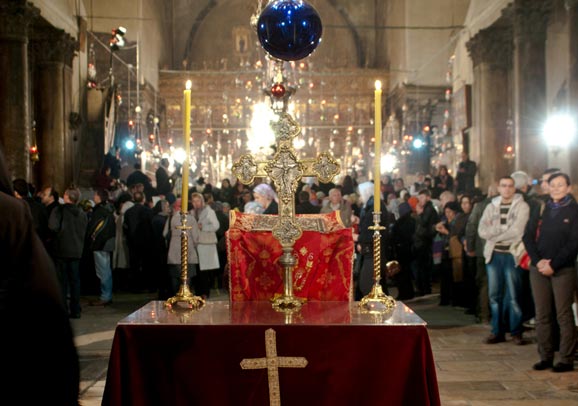
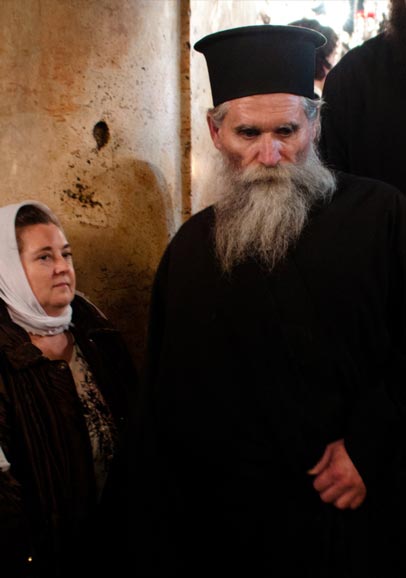
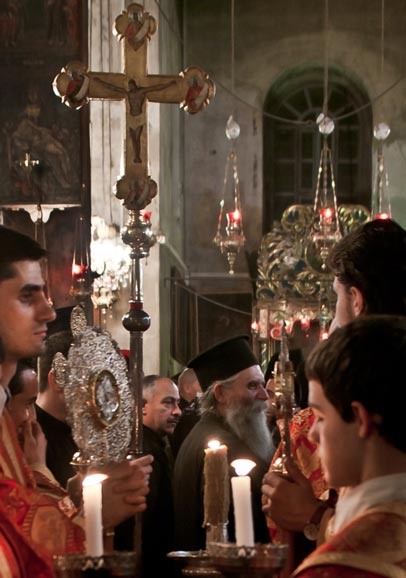
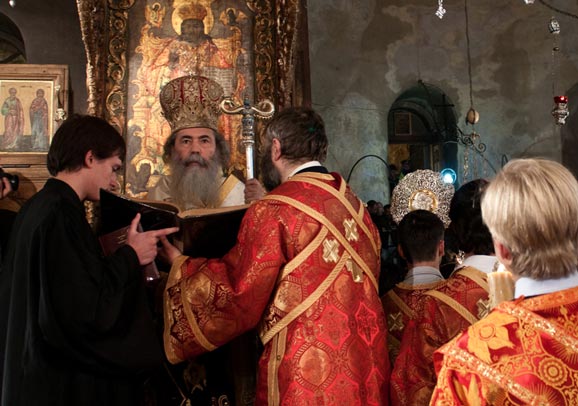
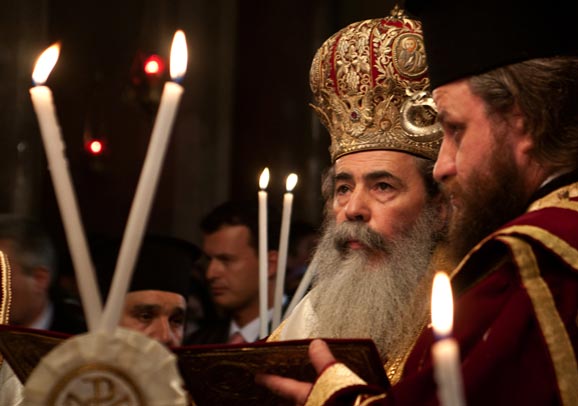
As one might imagine, Christmas in Bethlehem, the city where Jesus was born, is a major event. Some of Bethlehem's Christmas celebrations would be familiar to Europeans and North Americans - the streets are strung with Christmas lights, there is a Christmas market and Christmas plays are performed.
 (Image ID Orthodox_Christmas_01)
 (Image ID Orthodox_Christmas_02)
 (Image ID Orthodox_Christmas_03)
 (Image ID Orthodox_Christmas_04)
 (Image ID Orthodox_Christmas_05)
 (Image ID Orthodox_Christmas_06)
 (Image ID Orthodox_Christmas_07)
 (Image ID Orthodox_Christmas_08)
 (Image ID Orthodox_Christmas_09)
 (Image ID Orthodox_Christmas_10)
 (Image ID Orthodox_Christmas_11)
 (Image ID Orthodox_Christmas_12)
 (Image ID Orthodox_Christmas_13)
 (Image ID Orthodox_Christmas_14)
 (Image ID Orthodox_Christmas_15)
 (Image ID Orthodox_Christmas_16)
 (Image ID Orthodox_Christmas_17)
 (Image ID Orthodox_Christmas_18)
 (Image ID Orthodox_Christmas_19)
 (Image ID Orthodox_Christmas_20)
 (Image ID Orthodox_Christmas_21)
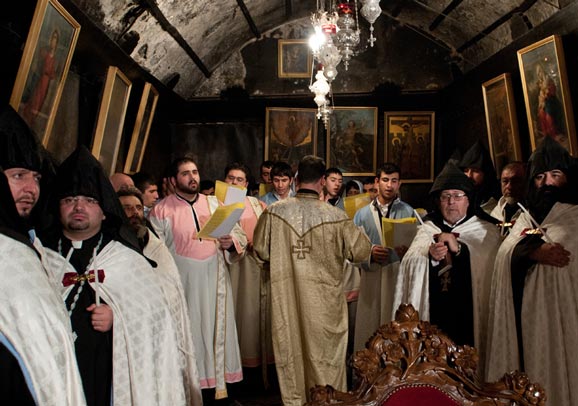
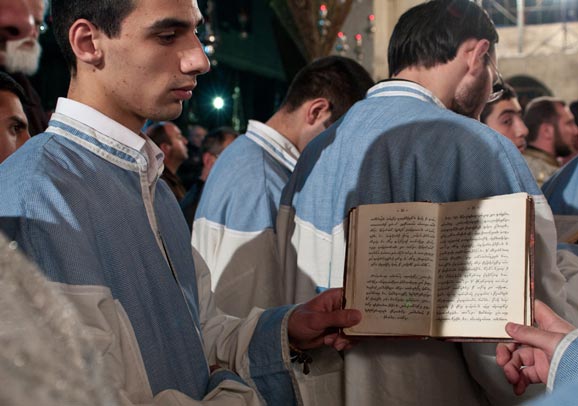
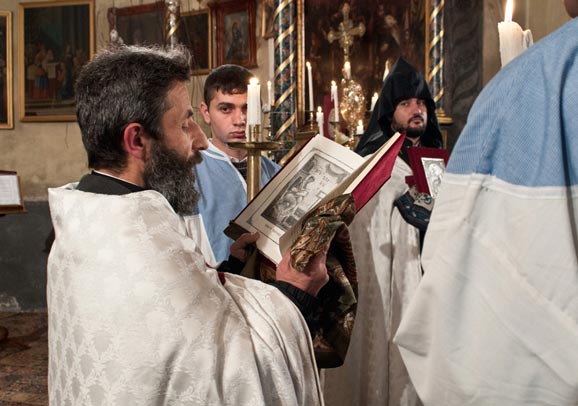
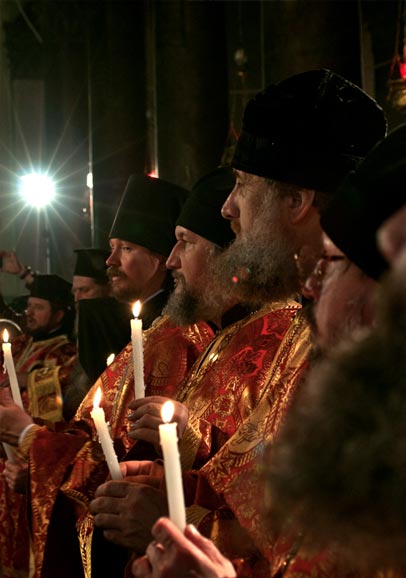
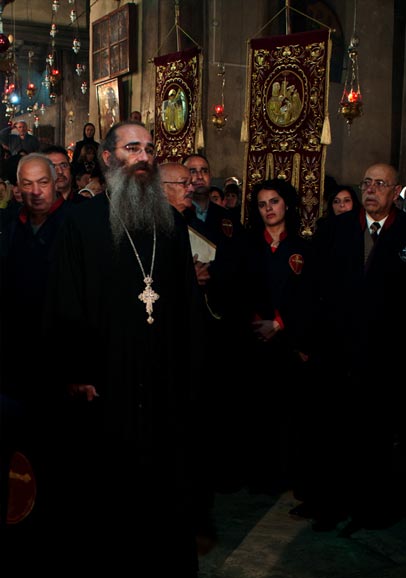
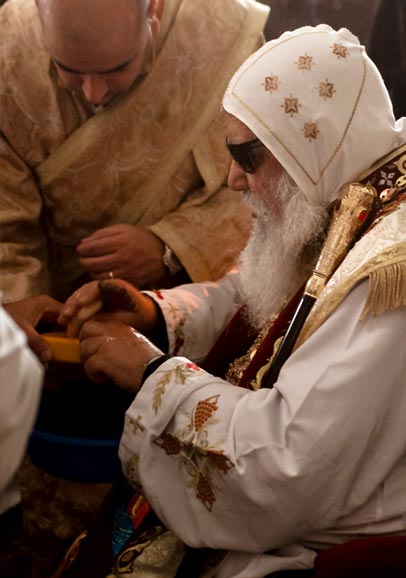
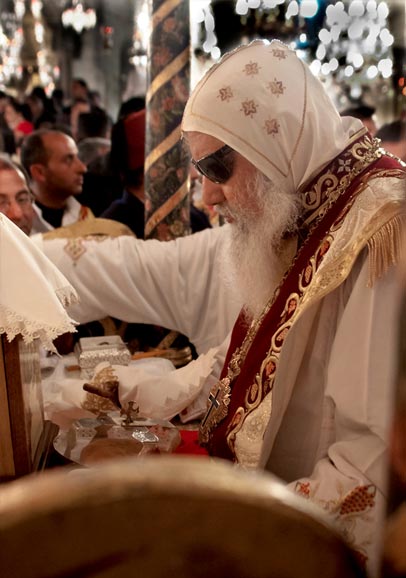
But other events, which are the most important religiously, are special to Bethlehem and in keeping with the traditions of the Holy Land. These consist of multiple services and processions led by many different Christian denominations, including Catholic, Protestant, Greek Orthodox, Ethiopian, Armenian and more.
Most Christmas processions pass through Manger Square, the plaza outside the Basilica of the Nativity, which stands on the traditional site of Jesus' birth. Catholic services take place in St. Catherine's Church and Protestants often hold services at the Shepherds' Fields.
More photographs about the
Bethlehem Christmas celebrations stretch for a long period, as different denominations celebrate Christmas on different days. Roman Catholics and Protestants celebrate Christmas on December 25; Greek, Syrian and other Orthodox Christians celebrate Christmas on January 6; and Armenian Christians celebrate Christmas on January 18. Below is a summary of the many services and events that take place in Bethlehem.
Protestant churches based in the Holy Land celebrate Christmas in a variety of ways. Some simply hold special Christmas services in their local churches, while others organize excursions for special services in the Shepherd's Fields or the Church of the Nativity in Bethlehem.
Roman Catholic services begin on December 24 and center around St. Catherine's Church, a Catholic church adjacent to the Orthodox Basilica of the Nativity. Services are also held on January 5 and 6 to celebrate Epiphany.
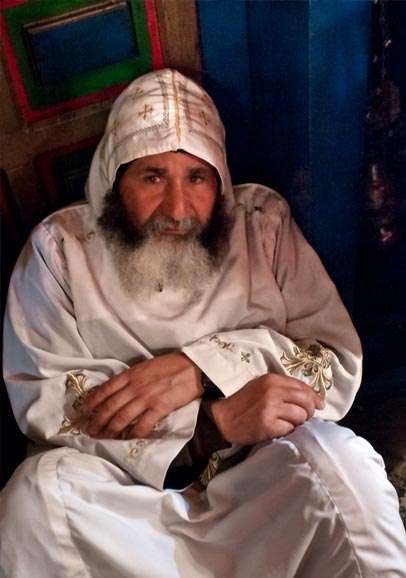
Orthodox Christians, including Greek Orthodox, Syrian Orthodox, Coptic Orthodox, Romanian Orthodox and others, celebrate Christmas on January 6. Like Roman Catholics, Orthodox Christmas in Bethlehem consists of numerous processions and long services. Most Orthodox events take place at the Basilica of the Nativity.
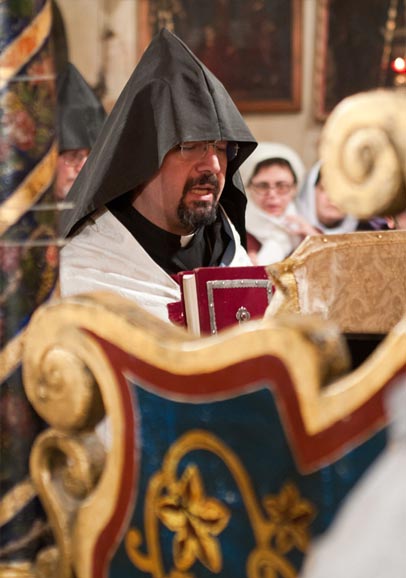
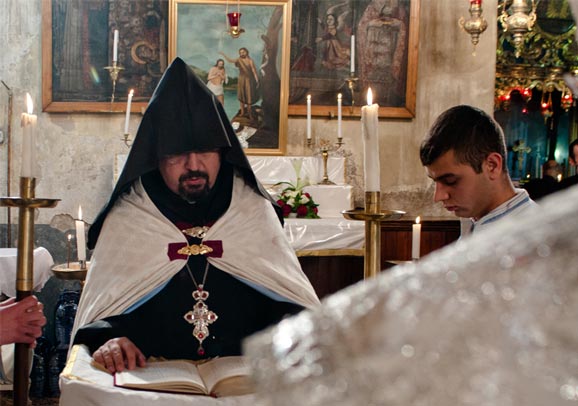
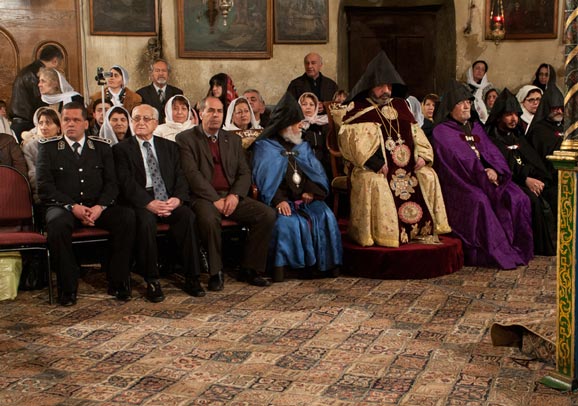
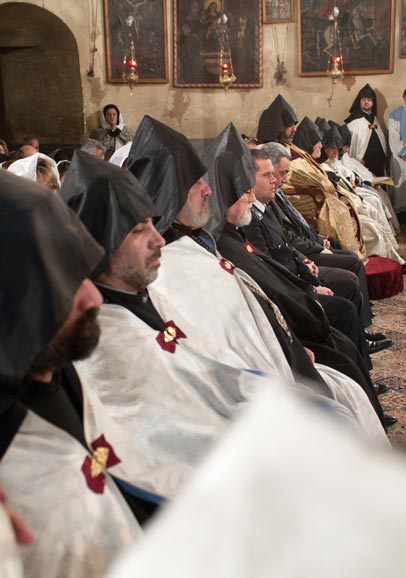
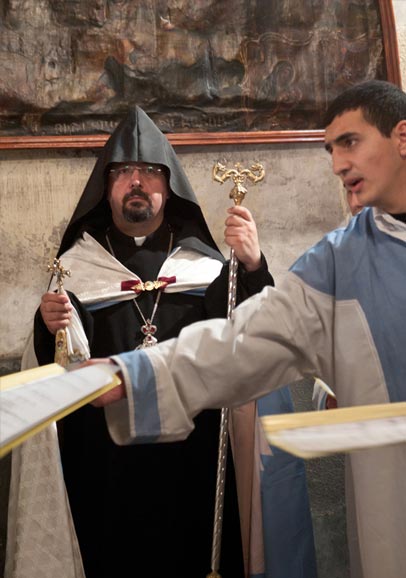
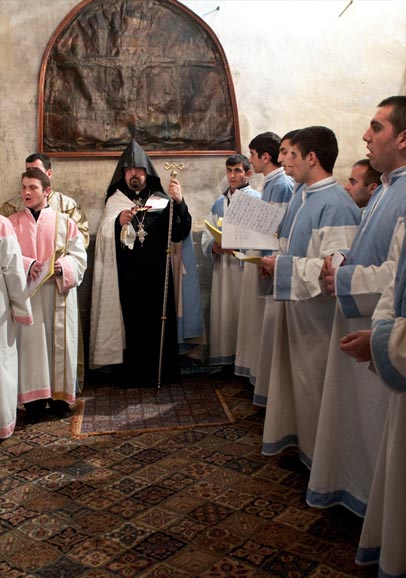
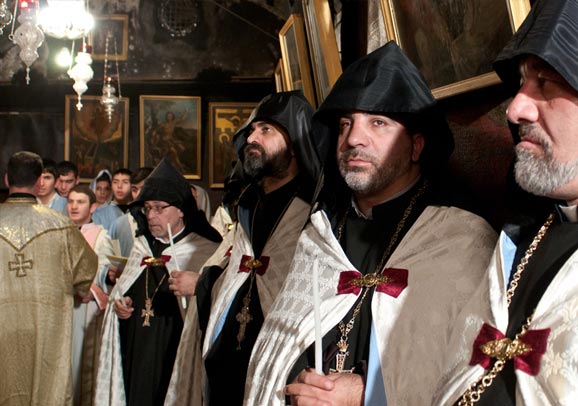
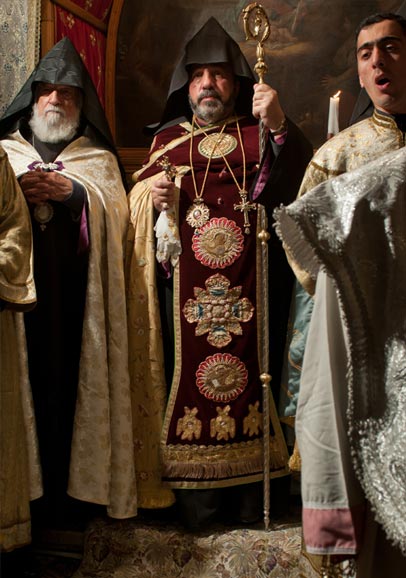
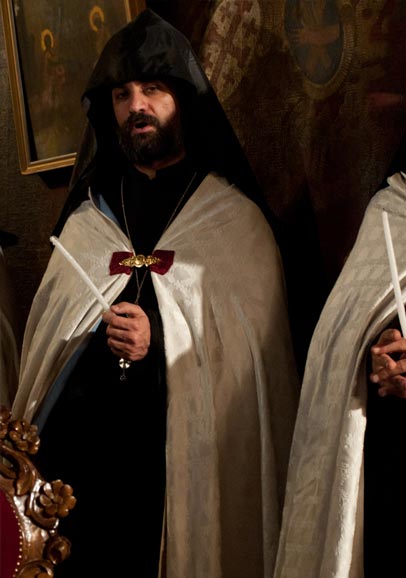
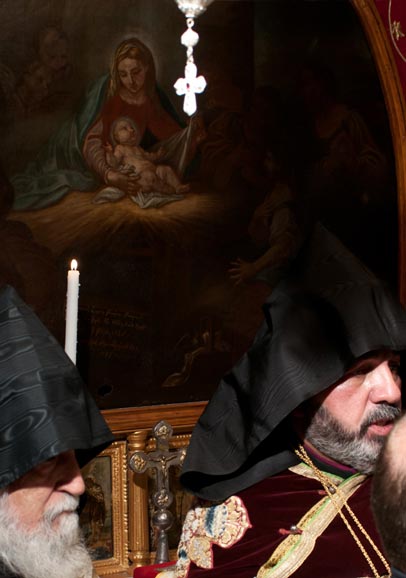
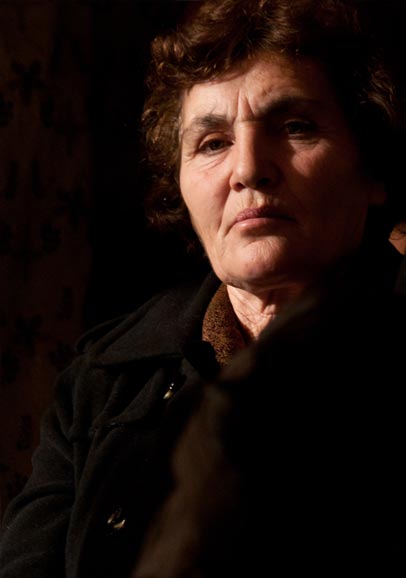
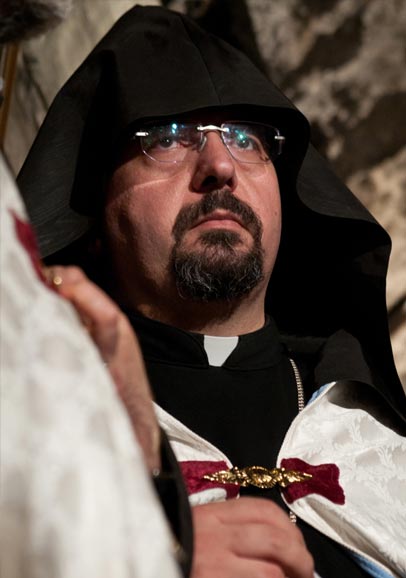
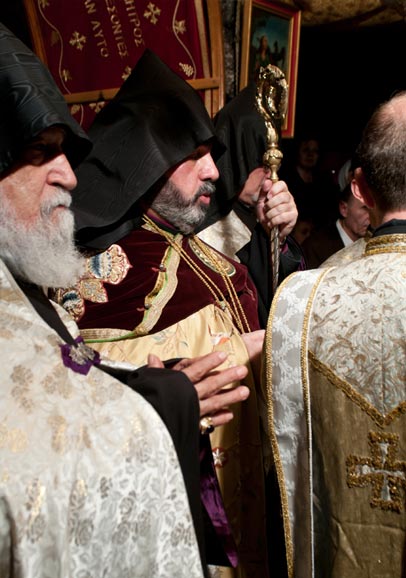
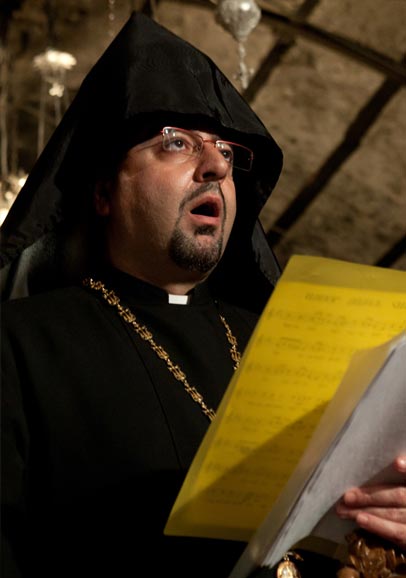
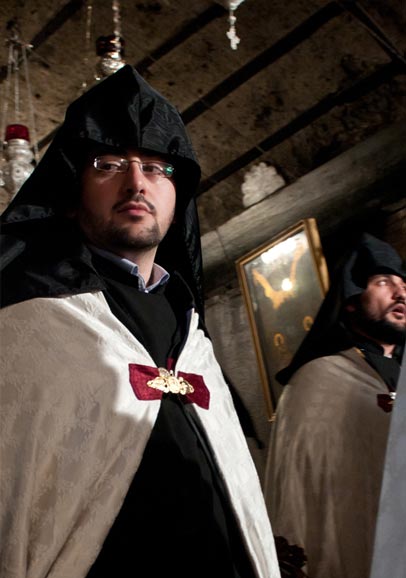
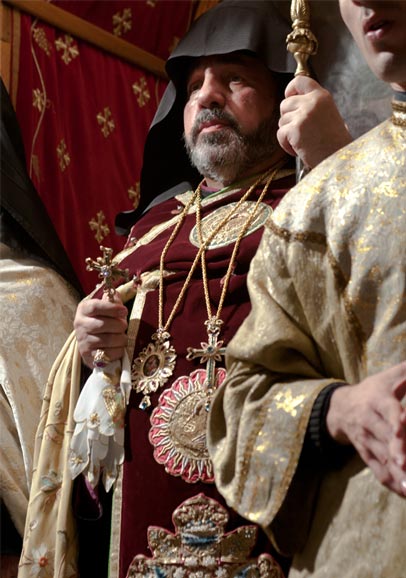
Armenian Orthodox Christians celebrate Christmas on January 18. Most Armenian Christmas services center around the Basilica of the Nativity.
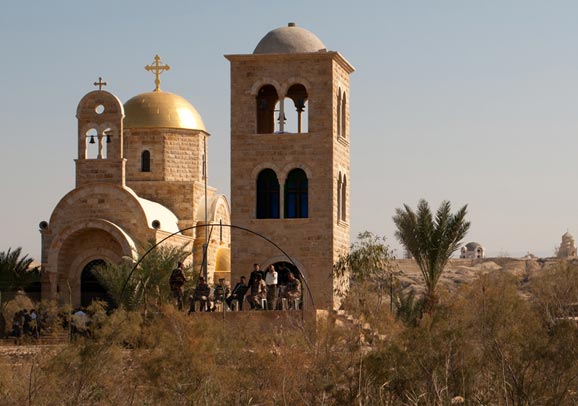
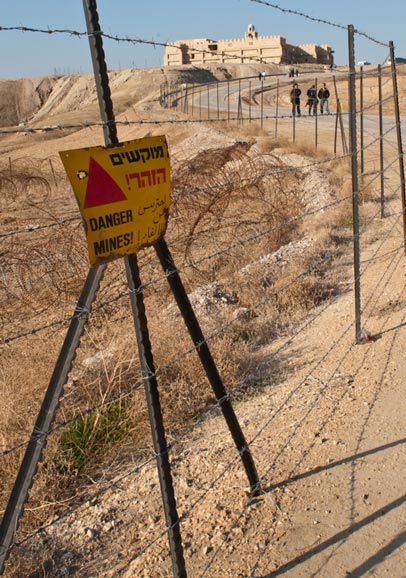
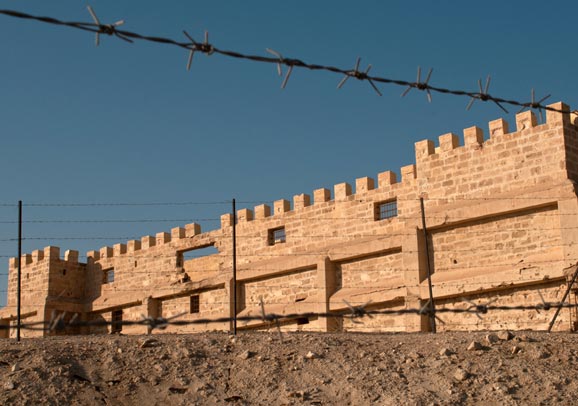
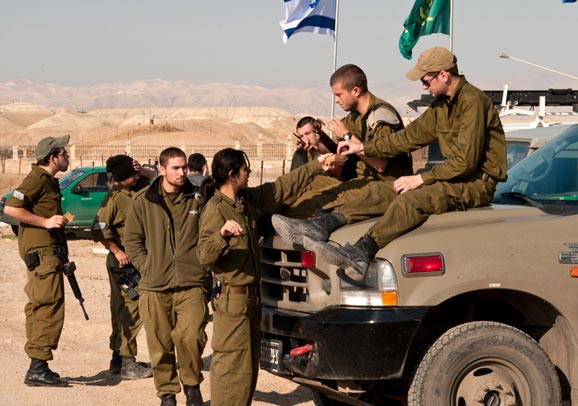
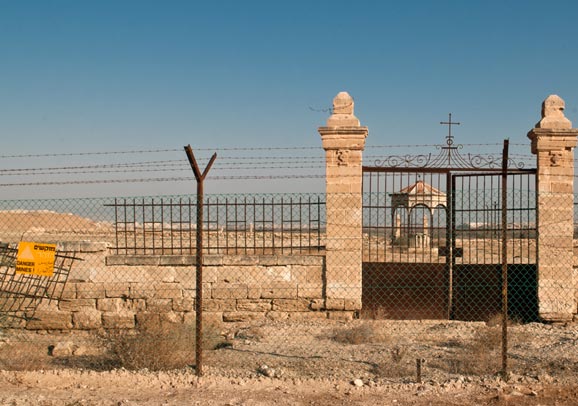
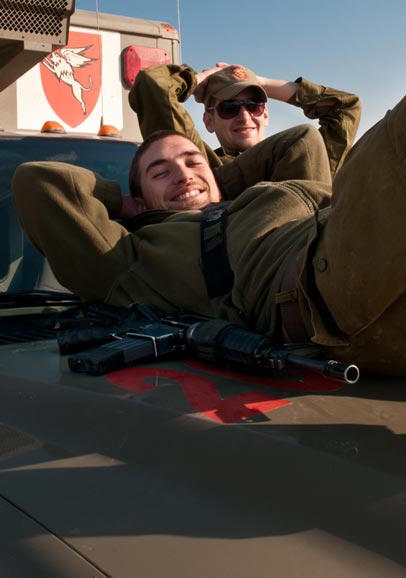
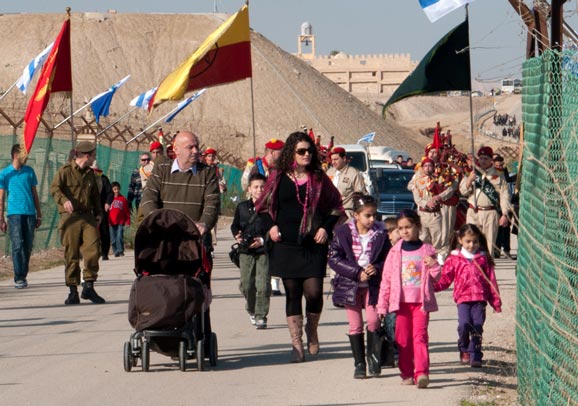
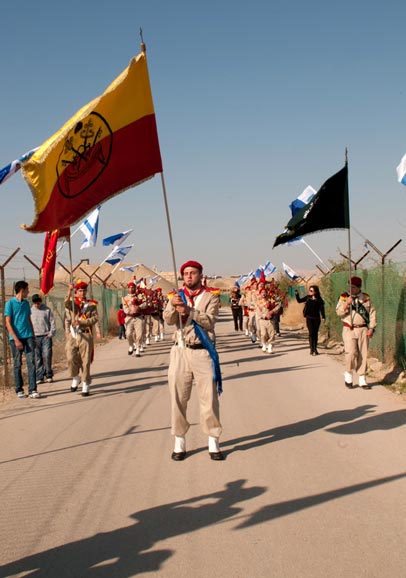
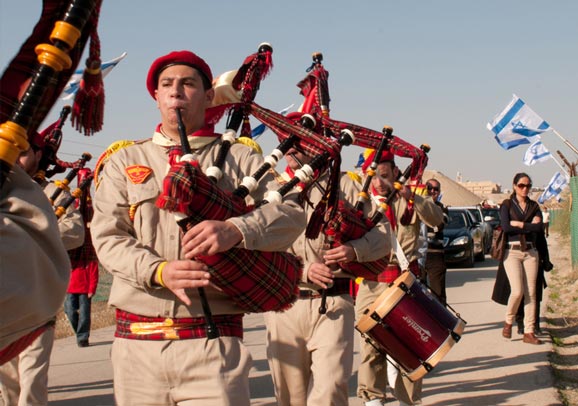
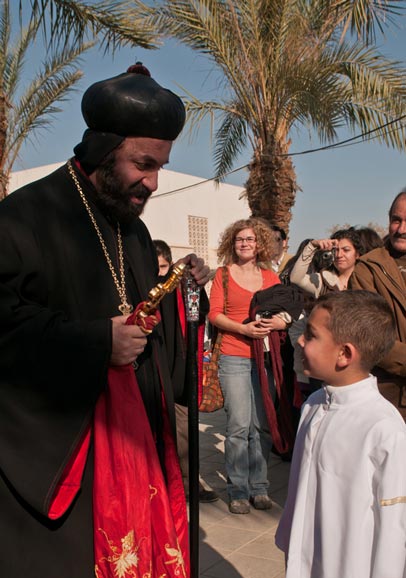
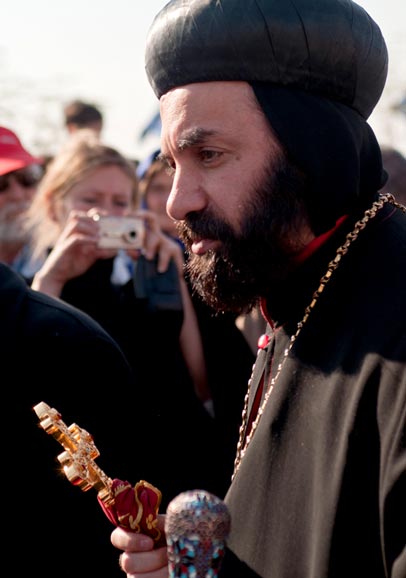
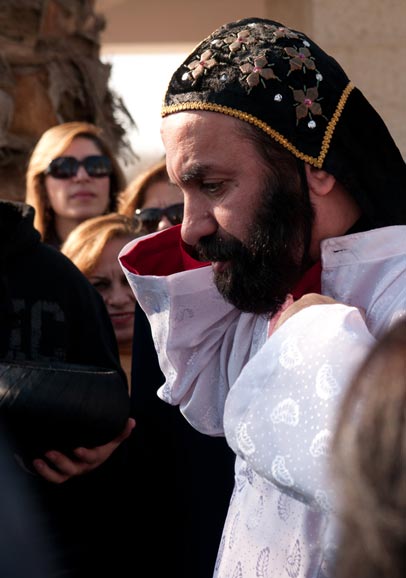
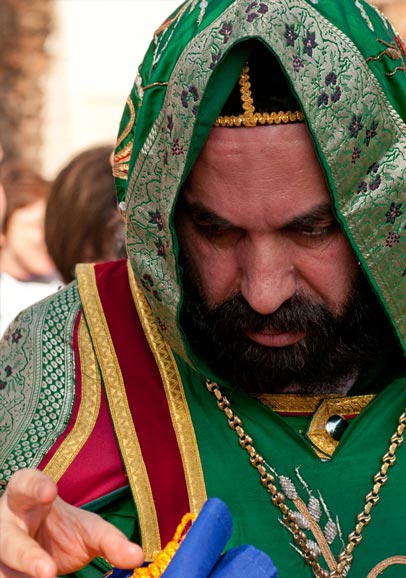
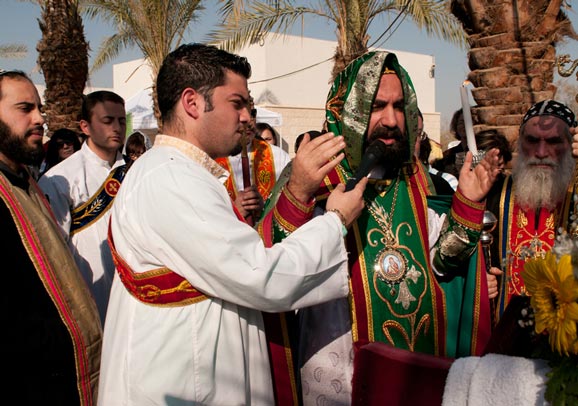
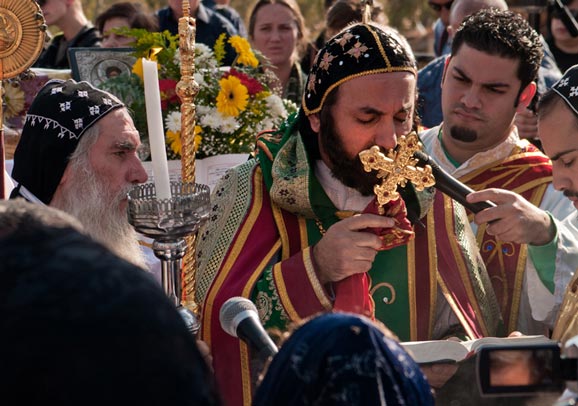
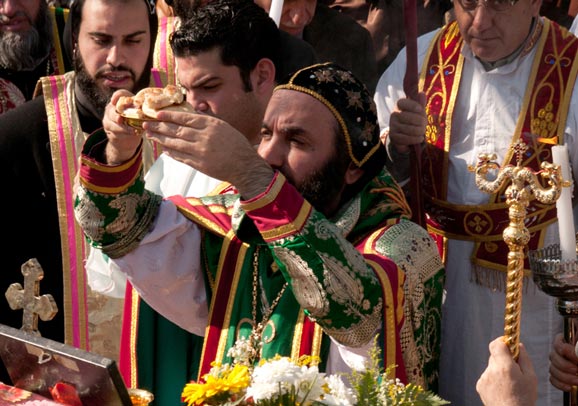
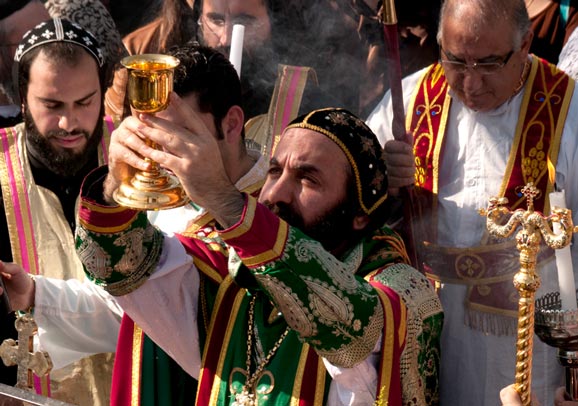
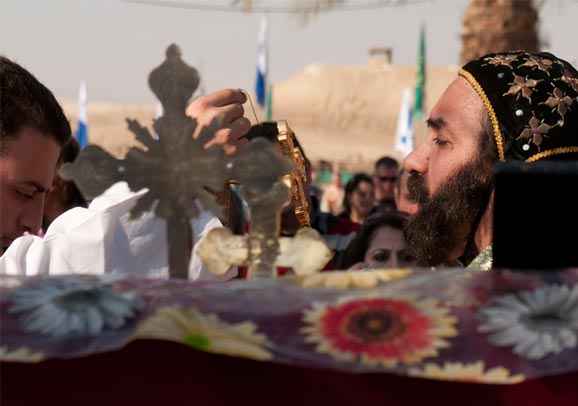
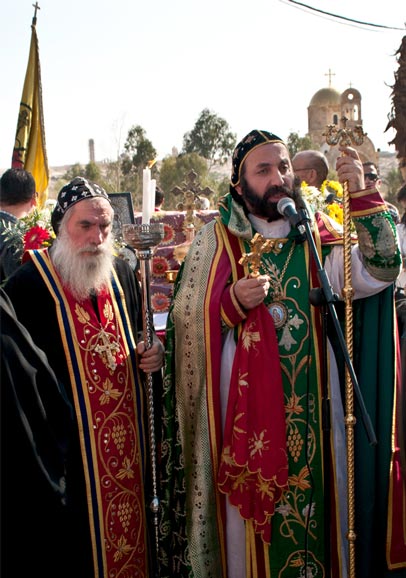
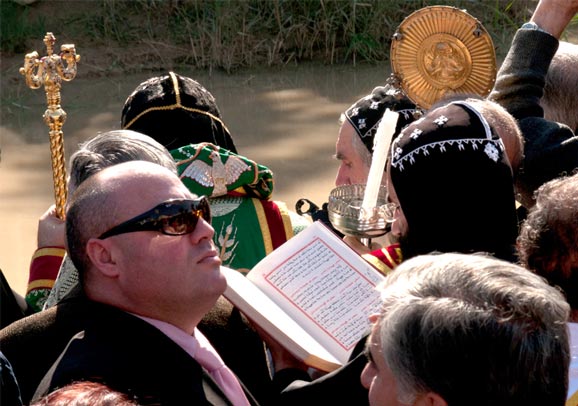
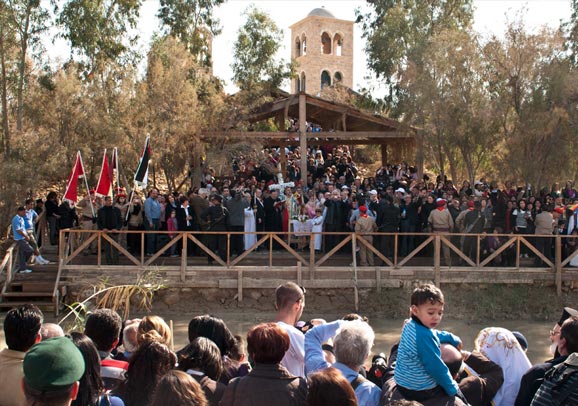
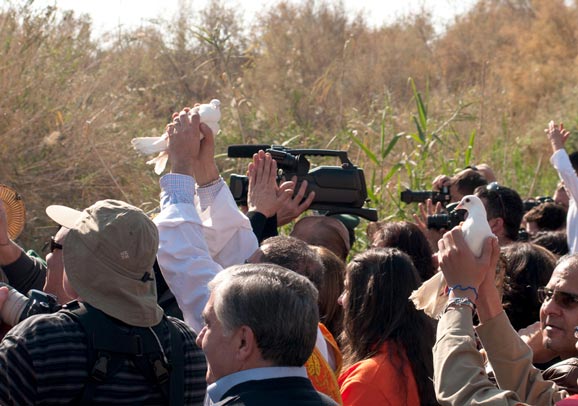
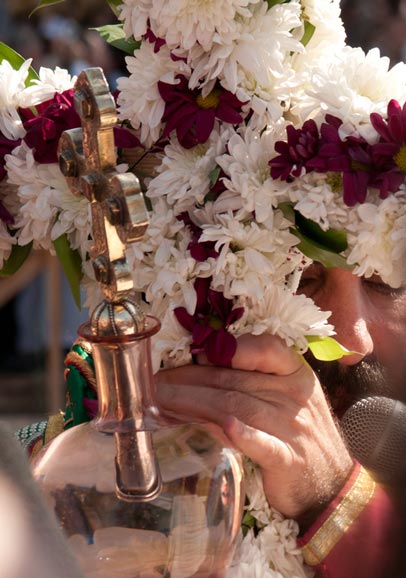
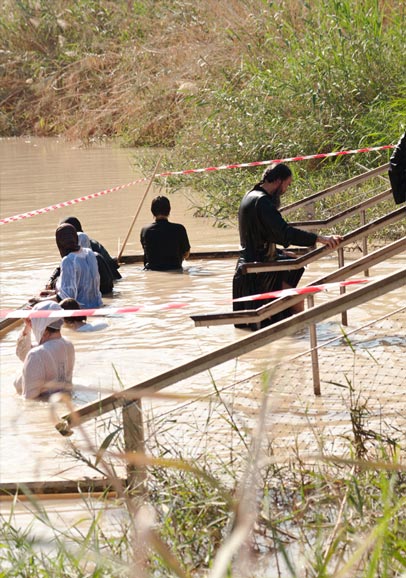
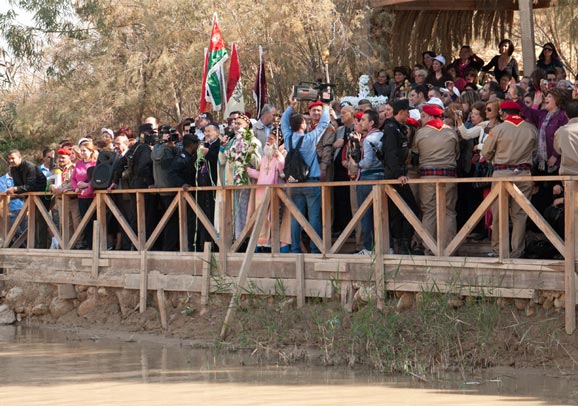
Christianity's third most holy site is set to be opened to the public in the near future—but at the present moment, it's surrounded by thousands of land mines. Qasr Al Yahud is recognized as one of the sites where Jesus got baptised by John the Baptist in the Jordan River (Matthew, 3: 13-17). It is also referred to as the place where Eliyahu the prophet and where the Israelistes crossed the Jordan river to enter the land of Canaan.
 (Image ID Baptism_Side_01)
 (Image ID Baptism_Side_02)
 (Image ID Baptism_Side_03)
 (Image ID Baptism_Side_04)
 (Image ID Baptism_Side_05)
 (Image ID Baptism_Side_06)
 (Image ID Baptism_Side_07)
 (Image ID Baptism_Side_08)
 (Image ID Baptism_Side_09)
 (Image ID Baptism_Side_10)
 (Image ID Baptism_Side_11)
 (Image ID Baptism_Side_12)
 (Image ID Baptism_Side_13)
 (Image ID Baptism_Side_14)
 (Image ID Baptism_Side_15)
 (Image ID Baptism_Side_16)
 (Image ID Baptism_Side_17)
 (Image ID Baptism_Side_18)
 (Image ID Baptism_Side_19)
 (Image ID Baptism_Side_20)
 (Image ID Baptism_Side_21)
 (Image ID Baptism_Side_22)
 (Image ID Baptism_Side_23)
 (Image ID Baptism_Side_24)
 (Image ID Baptism_Side_25)
 (Image ID Baptism_Side_26)
 (Image ID Baptism_Side_27)
This baptism site is part of the pilgrimage route which starts in Jerusalem and Beit Lehem, and continues all the way to the Dead Sea. This route also includes “The good Samaritan” site and Qumran national park, where the Qumran scrolls were discovered, and where John the Baptist, and probably Christ, studied .
More photos of the
The “lazy river” has been known as a religious sign which symbols the transfer from nomadic life to permanent settlement. Its isolation and mystical character have always attracted social leaders who challanged the official and religious rule. This was true for Eliyahu the prophet, his student Elisha, and John the Baptist.
Most of all, this baptism site is recognized as the place where John the baptist baptized Jesus. The New Testament mentions this event as the “spiritual birth” of Jesus, thus making it the third holiest site for christians in the Holy land.
The Jordan River is regarded as a holy place thanks to it being where Jesus baptized. During the 1980's a number of christian groups have re-started the baptizing tradition in the Jordan River. The ceremonies are traditionally held during two holidays: Easter and the Epiphany holiday.
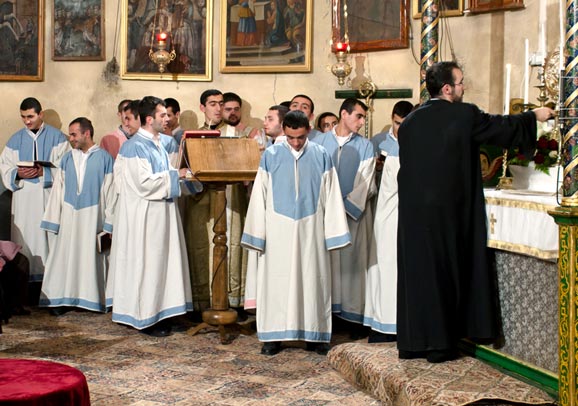
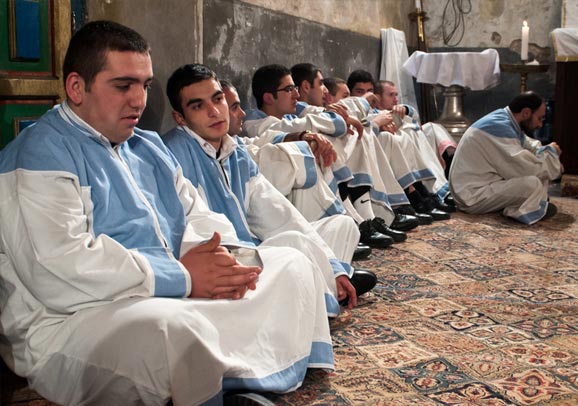
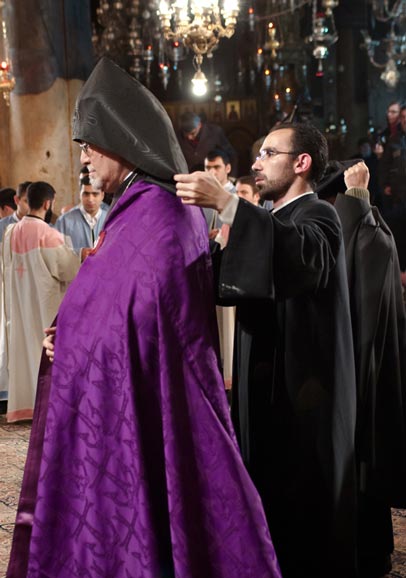
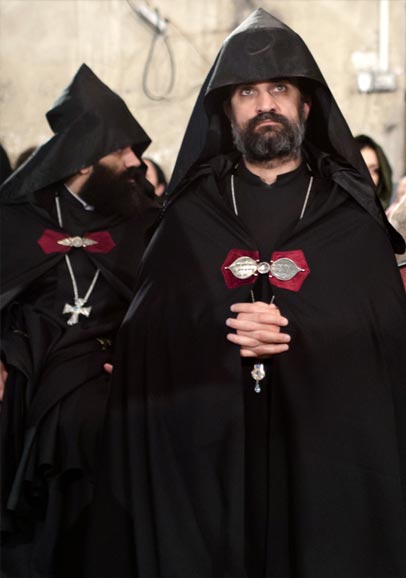
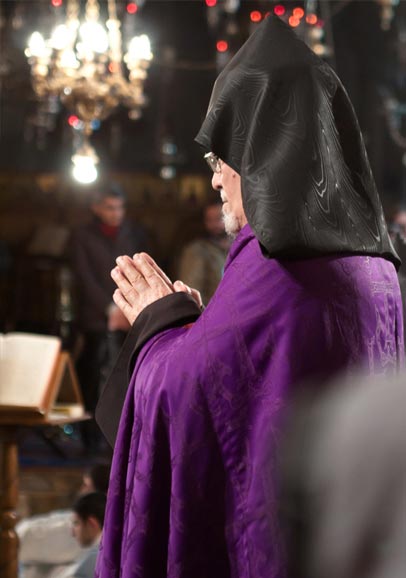
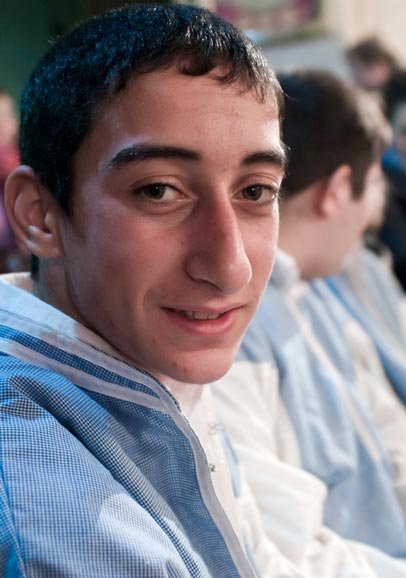
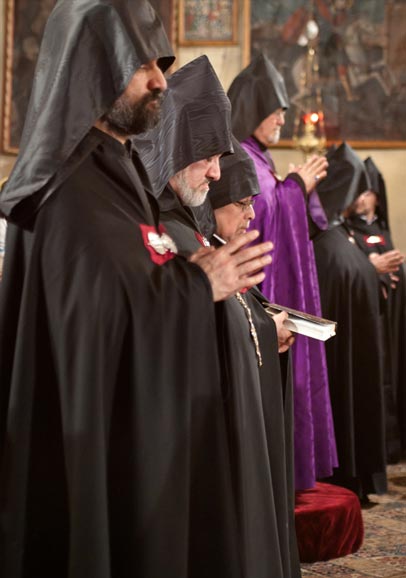
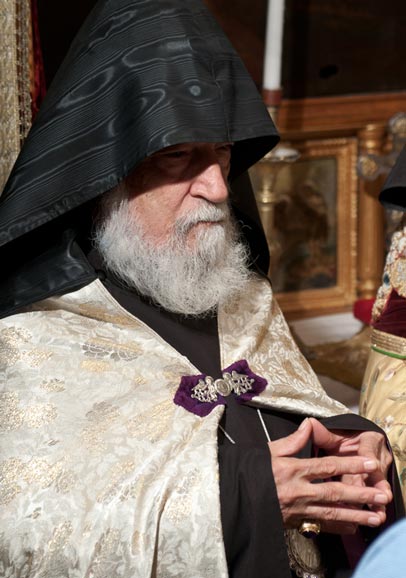
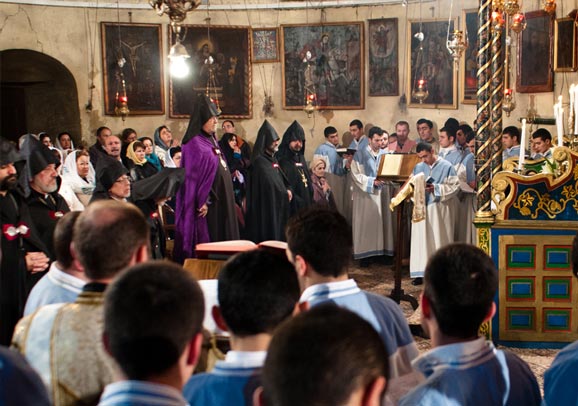
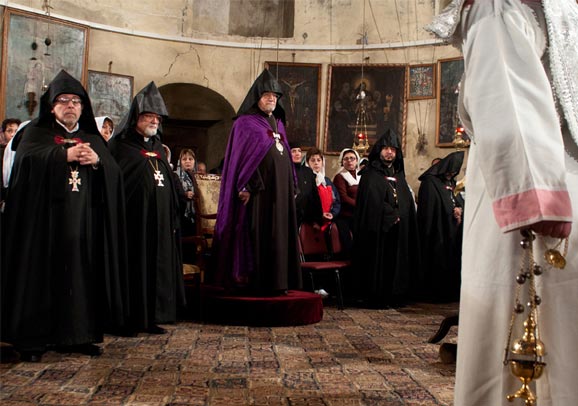
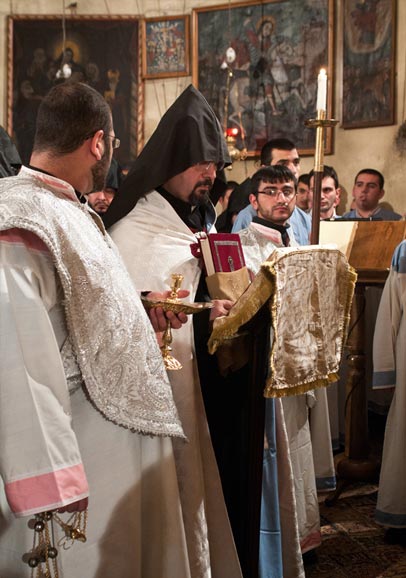
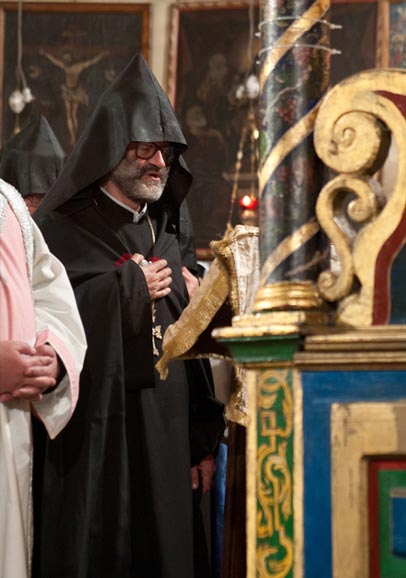
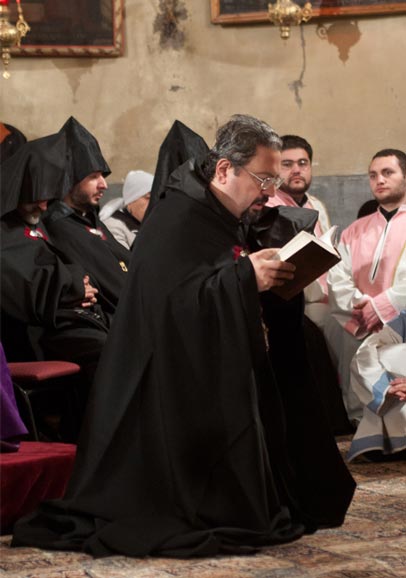
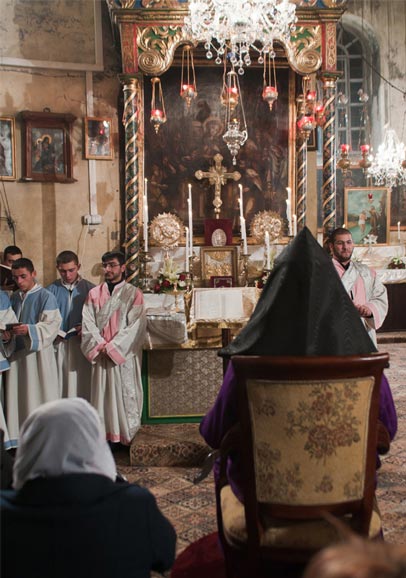
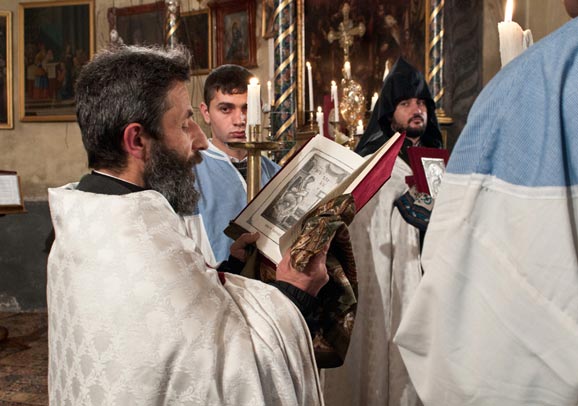
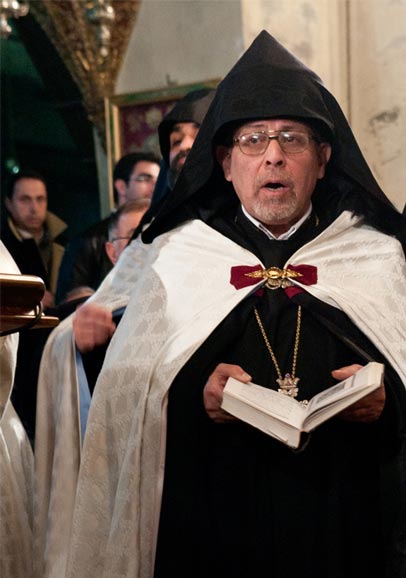
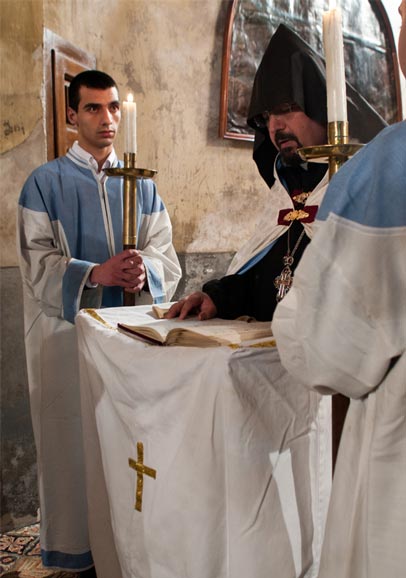
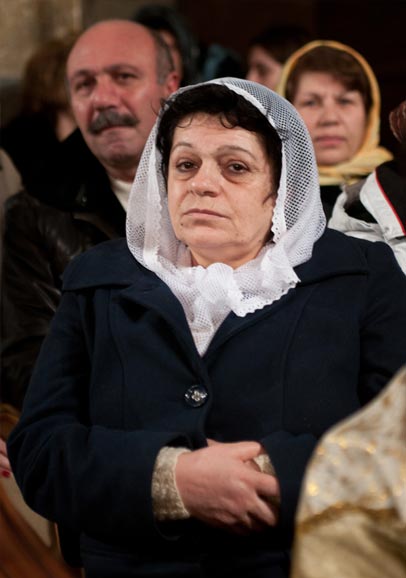
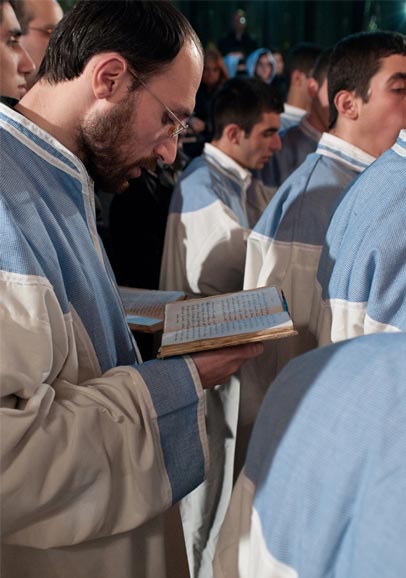
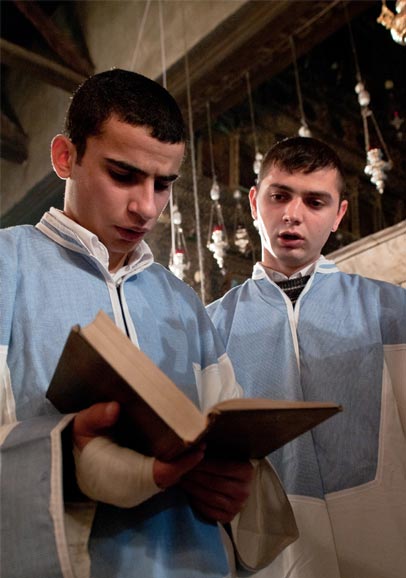
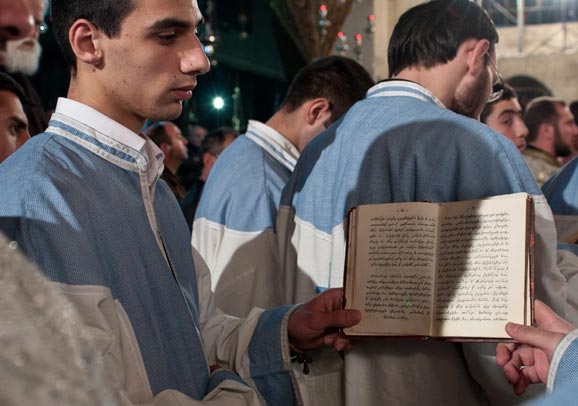
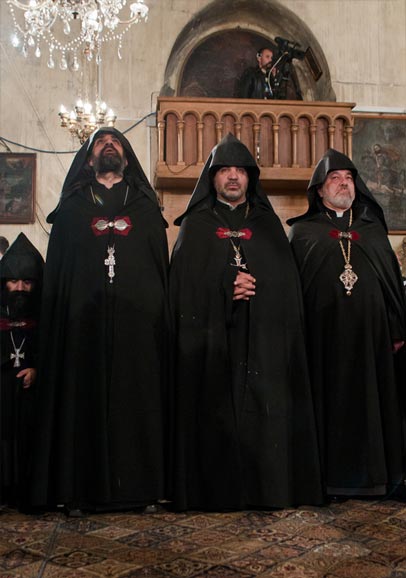
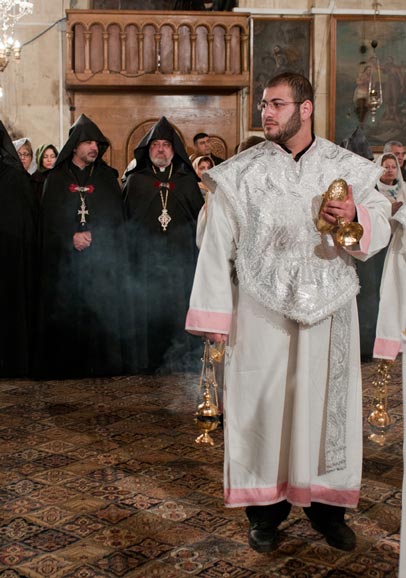
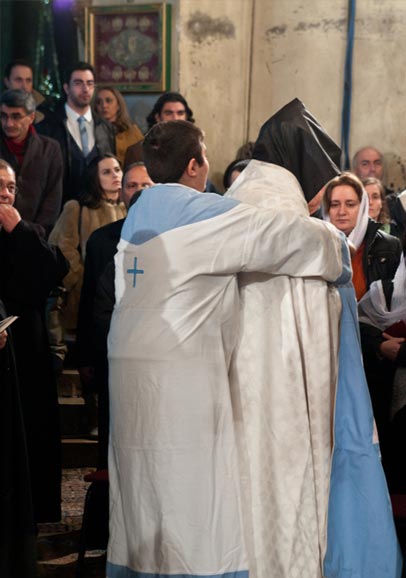
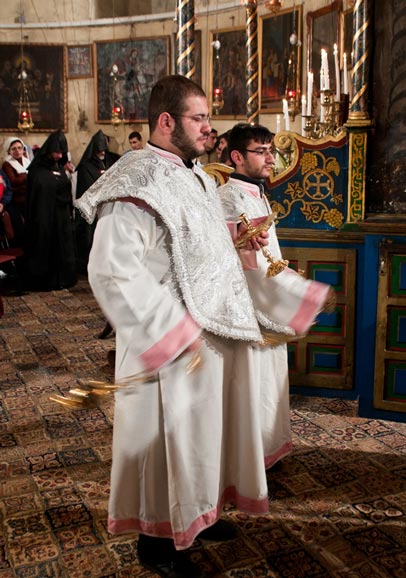
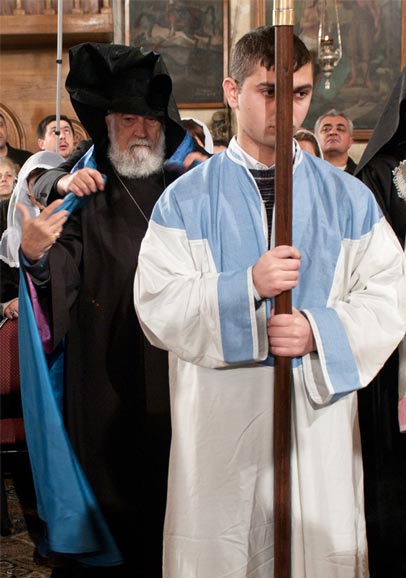
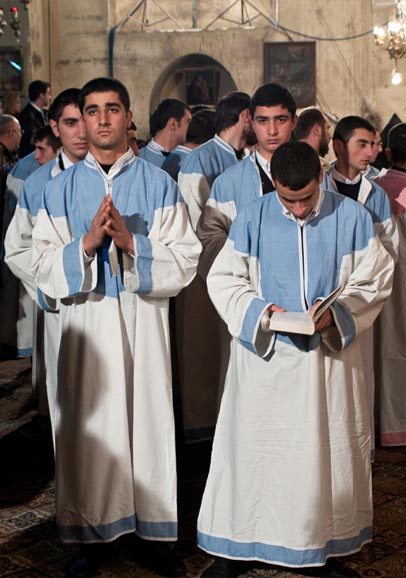
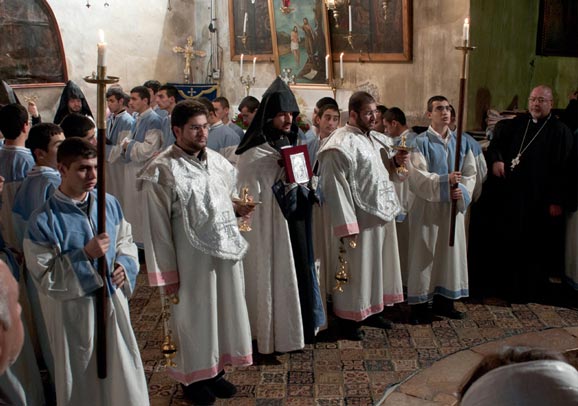
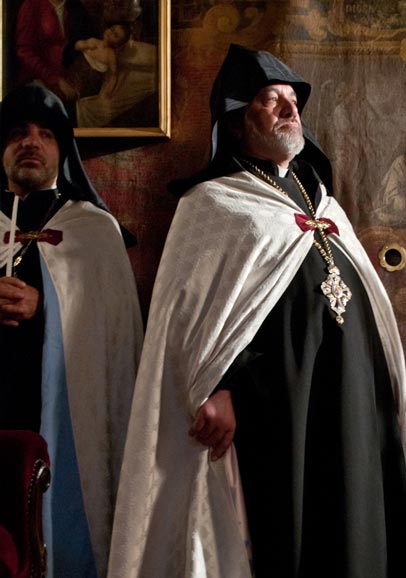
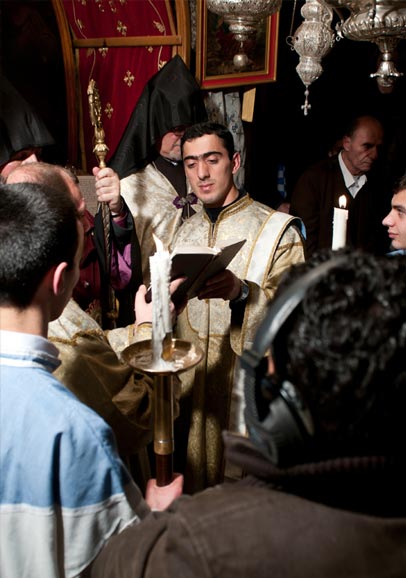
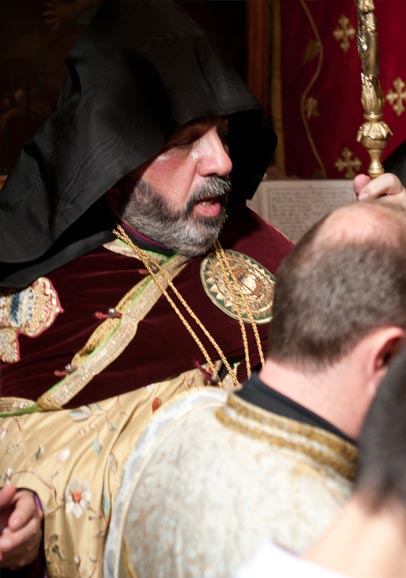
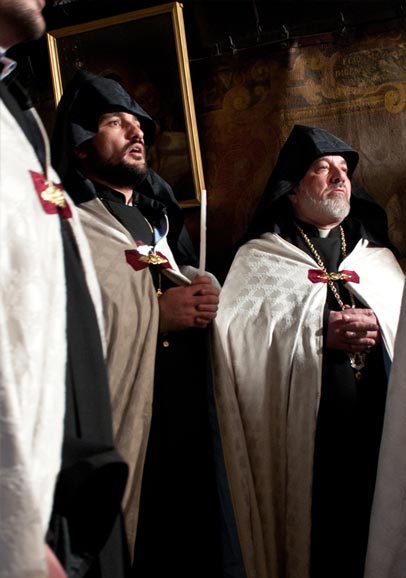
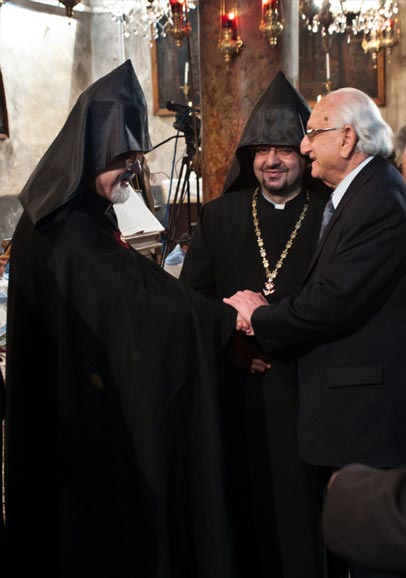
Procession led by Armenian scouts and their band, advance the Patriarch into the Church of Nativity, while priests, seminarians and the faithful join in the sing of Armenian hymns.
 (Image ID Armenian_Christmas_01)
 (Image ID Armenian_Christmas_02)
 (Image ID Armenian_Christmas_03)
 (Image ID Armenian_Christmas_04)
 (Image ID Armenian_Christmas_05)
 (Image ID Armenian_Christmas_06)
 (Image ID Armenian_Christmas_07)
 (Image ID Armenian_Christmas_08)
 (Image ID Armenian_Christmas_09)
 (Image ID Armenian_Christmas_10)
 (Image ID Armenian_Christmas_11)
 (Image ID Armenian_Christmas_12)
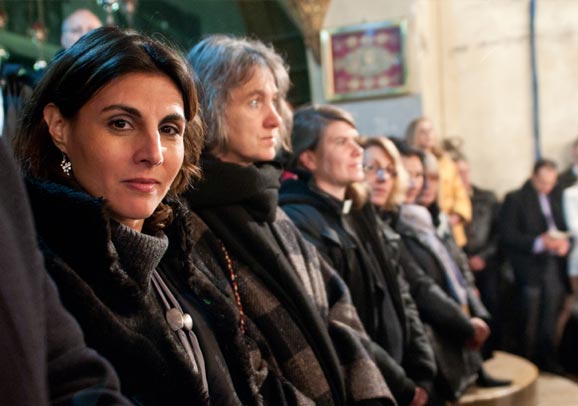
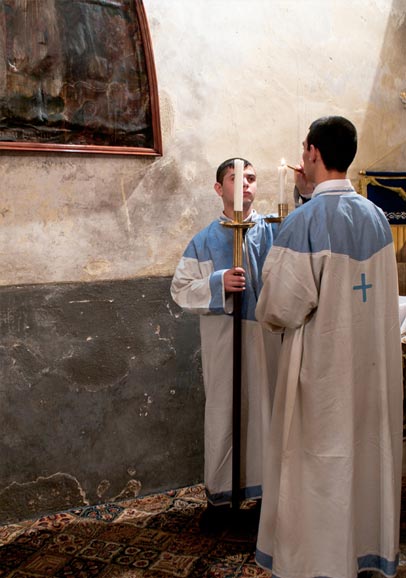
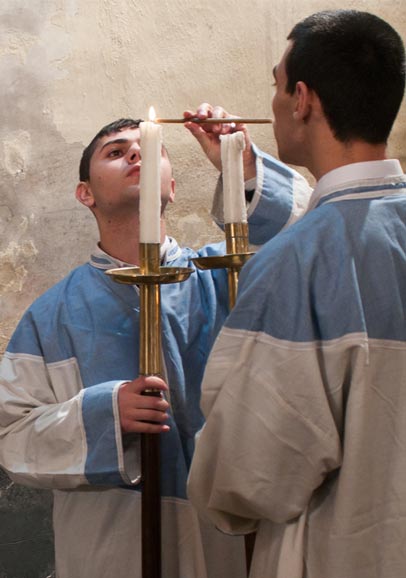
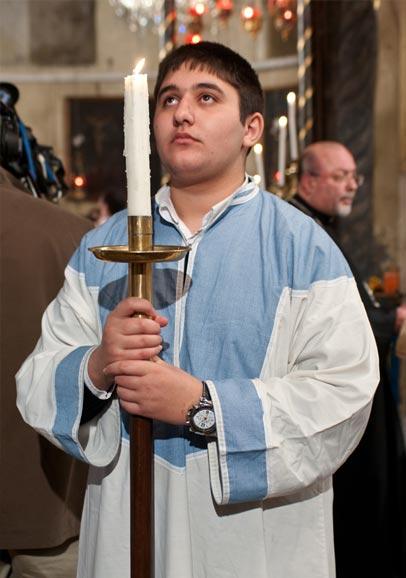
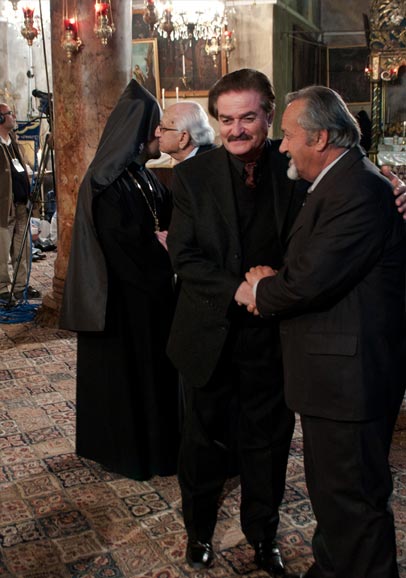
Afterwards, church services and ceremonies are conducted in the Cathedral of Nativity all night long and until the next day, January 18th.
More photos of Armenian Orthodox Christmas
 (Image ID Armenian_Christmas_13)
 (Image ID Armenian_Christmas_14)
 (Image ID Armenian_Christmas_15)
 (Image ID Armenian_Christmas_16)
 (Image ID Armenian_Christmas_17)
 (Image ID Armenian_Christmas_18)
 (Image ID Armenian_Christmas_19)
 (Image ID Armenian_Christmas_20)
 (Image ID Armenian_Christmas_21)
 (Image ID Armenian_Christmas_22)
 (Image ID Armenian_Christmas_23)
 (Image ID Armenian_Christmas_24)
 (Image ID Armenian_Christmas_25)
 (Image ID Armenian_Christmas_26)
 (Image ID Armenian_Christmas_27)
 (Image ID Armenian_Christmas_28)
 (Image ID Armenian_Christmas_29)
 (Image ID Armenian_Christmas_30)
More photos of Armenian Orthodox Christmas
 (Image ID Armenian_Christmas_31)
 (Image ID Armenian_Christmas_32)
 (Image ID Armenian_Christmas_33)
 (Image ID Armenian_Christmas_34)
 (Image ID Armenian_Christmas_35)
 (Image ID Armenian_Christmas_36)
 (Image ID Armenian_Christmas_37)
 (Image ID Armenian_Christmas_38)
 (Image ID Armenian_Christmas_39)
 (Image ID Armenian_Christmas_40)
 (Image ID Armenian_Christmas_41)
 (Image ID Armenian_Christmas_42)
 (Image ID Armenian_Christmas_43)
 (Image ID Armenian_Christmas_44)
 (Image ID Armenian_Christmas_45)
 (Image ID Armenian_Christmas_46)
 (Image ID Armenian_Christmas_47)
 (Image ID Armenian_Christmas_48)
More photos of Armenian Orthodox Christmas
 (Image ID Armenian_Christmas_49)
 (Image ID Armenian_Christmas_50)
 (Image ID Armenian_Christmas_51)
 (Image ID Armenian_Christmas_52)
 (Image ID Armenian_Christmas_53)
 (Image ID Armenian_Christmas_54)
 (Image ID Armenian_Christmas_55)
 (Image ID Armenian_Christmas_56)
 (Image ID Armenian_Christmas_57)
 (Image ID Armenian_Christmas_58)
 (Image ID Armenian_Christmas_59)
 (Image ID Armenian_Christmas_60)
 (Image ID Armenian_Christmas_61)
 (Image ID Armenian_Christmas_62)
 (Image ID Armenian_Christmas_63)
 (Image ID Armenian_Christmas_64)
 (Image ID Armenian_Christmas_65)
 (Image ID Armenian_Christmas_66)
 (Image ID Armenian_Christmas_67)
 (Image ID Armenian_Christmas_68)
 (Image ID Armenian_Christmas_69)
 (Image ID Armenian_Christmas_70)
 (Image ID Armenian_Christmas_71)
 (Image ID Armenian_Christmas_72)
More photos of Armenian Orthodox Christmas